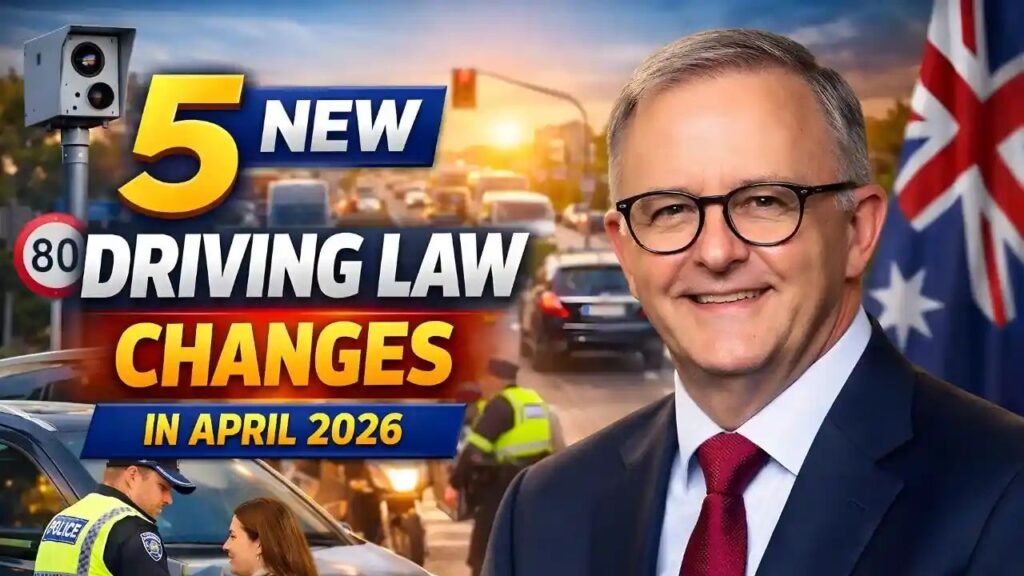
Starting April 2026, Australia will introduce significant updates to driving regulations affecting drivers aged 60 and above. These changes are designed to ensure road safety while balancing seniors’ independence behind the wheel. Here’s what every older driver needs to know.
1. Stricter Medical Assessments for Licence Renewal
From 2026, drivers over 60 will face enhanced health disclosure requirements when renewing their licence. Authorities will ask detailed questions about:
- Vision and eye health
- Neurological or cognitive conditions
- Medications and potential side effects affecting reaction time
- Any other medical concerns that could impair driving
In some cases, a medical certificate from a doctor will be mandatory to confirm that the individual is fit to drive. These steps are intended to proactively reduce accident risks and ensure drivers remain capable on the road.
2. Heightened Vision Standards
Clear vision is crucial for safe driving, and the new regulations emphasize rigorous eyesight checks:
- Drivers may need to demonstrate the ability to read a number plate from a set distance.
- Seniors turning 70 or older may face more frequent vision assessments during licence renewal.
- Failing to meet the required standards could result in conditional licences or further testing.
These stricter sight requirements aim to prevent accidents caused by poor visibility while keeping capable drivers on the road safely.
3. Shorter Licence Renewal Periods
Licence renewal intervals will now vary depending on age:
- Drivers 65–74 years: Every three years
- Drivers 75 and older: Every one to three years, depending on the region
- Drivers 80+ years: In some areas, annual renewal may be required
Shorter renewal cycles allow authorities to monitor health and driving capacity more closely, helping maintain overall road safety without automatically penalizing seniors based solely on age.
4. Conditional Licences for Seniors
Rather than cancelling licences outright, authorities may issue conditional licences for seniors with specific restrictions:
- Driving only during daylight hours
- Staying within a defined local area
- Avoiding highways or high-speed roads
Conditional licences are designed to balance safety with independence, allowing seniors who may have some limitations to continue driving safely.
5. Driving Tests May Be Required
Although most older drivers will not need additional testing, authorities may require a driving test under certain circumstances:
- If medical reports indicate potential safety concerns
- If a driver has been reported for unsafe driving behavior
Testing provides an opportunity to assess driving capabilities objectively. Depending on the outcome, a driver may continue with their standard licence, receive a conditional licence, or face additional restrictions.
What These Changes Mean for Drivers Over 60
The focus of the new laws is fitness to drive, not age. While some seniors may face more frequent assessments, the overarching goal is to ensure that all drivers on Australian roads are safe and capable. Key takeaways for older drivers include:
- Regular health check-ups: Monitor vision, cognitive, and physical health
- Stay informed: Check your state’s specific licence renewal requirements
- Maintain safe driving habits: Limit distractions and adapt driving to changing capabilities
These measures help reduce accident risks while allowing capable seniors to maintain mobility and independence.
Conclusion
The April 2026 driving law updates highlight a proactive approach to road safety for older Australians. By implementing medical assessments, vision checks, shorter renewal periods, conditional licences, and targeted driving tests, authorities aim to create a safer driving environment without unfairly penalizing seniors. Staying informed and prepared will help drivers over 60 navigate these changes confidently while continuing to enjoy the freedom of the road.