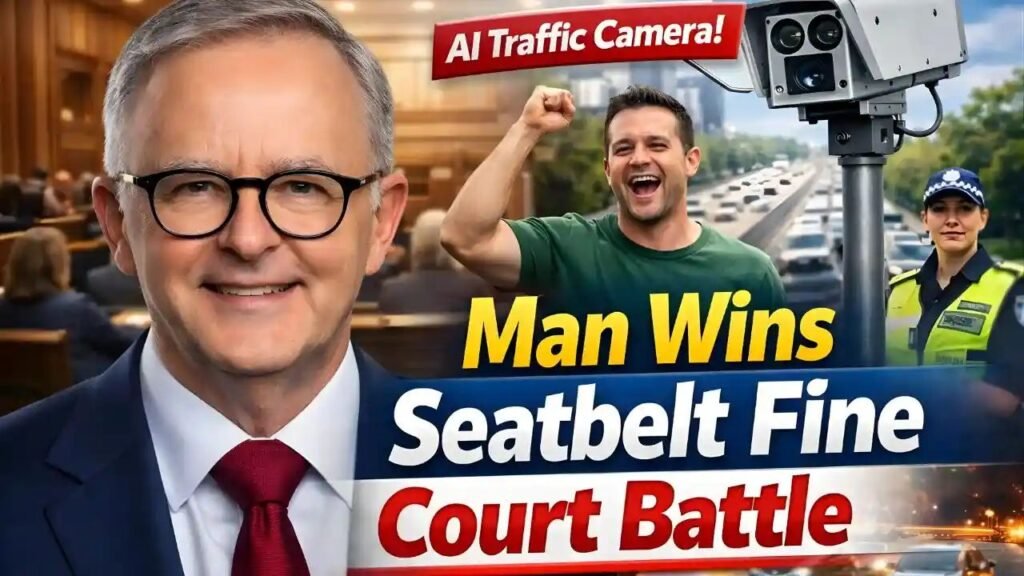
In a landmark case in Australia, a motorist successfully challenged a seatbelt fine issued by an AI-powered traffic camera, sparking a broader debate over the reliability of automated enforcement systems. The ruling highlights the growing intersection of artificial intelligence and road safety, raising important questions about the accuracy and accountability of technology-driven penalties.
The Case That Made Headlines
The driver in question received a fine after a traffic camera allegedly detected a failure to wear a seatbelt. Believing the fine to be unjust, he contested the penalty in court. Upon reviewing the evidence, the court found that the images produced by the AI system did not conclusively prove the offense. As a result, the fine was annulled, underscoring the necessity for human oversight in automated traffic enforcement.
The decision has resonated across Australia, with both motorists and legal experts noting its significance in safeguarding drivers’ rights against potential technological errors.
How AI Traffic Cameras Are Used
AI-based cameras have been increasingly deployed by state authorities to monitor and enforce road safety laws. These systems are designed to detect a range of violations, including:
- Drivers not wearing seatbelts
- Use of mobile phones while driving
- Speeding and red-light infractions
By leveraging machine learning and image recognition, AI cameras can operate continuously across multiple lanes, aiming to enforce rules more consistently than traditional human monitoring. The technology promises efficiency and a reduction in undetected violations.
Challenges and Limitations
Despite their benefits, AI traffic enforcement systems are not infallible. The recent court ruling illustrates the potential for error, particularly when analyzing images. Factors that can lead to misidentification include:
- Shadows or poor lighting conditions
- Clothing that obscures seatbelts
- Objects inside the vehicle that interfere with detection
- Camera angle or image quality
Experts caution that these systems should not replace human assessment entirely. The need for proper validation of evidence before issuing fines is critical to prevent wrongful penalties.
The Importance of Legal Oversight
This case serves as a reminder that even as AI becomes more integrated into road safety, the judicial system remains a vital safeguard. Drivers retain the right to:
- Request a review of the fine
- Appeal the penalty in court
- Provide evidence that challenges the automated decision
Courts ensure that penalties are applied fairly and accurately, protecting individuals from potential errors made by AI systems.
What Drivers Should Know
For motorists, understanding the limitations of AI enforcement is crucial. If you receive a traffic fine that appears incorrect:
- Check the evidence carefully: Review the images or recordings provided.
- Request a review: Contact the issuing authority to contest the fine before it escalates.
- Seek legal advice if necessary: Legal professionals can guide you through the dispute process.
- Document relevant details: Notes about road conditions, visibility, or other factors can support your case.
Being informed about your rights and responsibilities ensures you are prepared to challenge any fines that may result from technological errors.
The Future of AI in Road Safety
As AI traffic cameras become more widespread, the balance between efficiency and accuracy will remain a key consideration. Authorities are expected to refine systems to reduce errors, while courts continue to act as an essential check on automated enforcement.
The case demonstrates that technology alone cannot guarantee justice. Human oversight, proper validation, and legal accountability are necessary to maintain fairness on Australian roads.
Conclusion
The overturning of a seatbelt fine in Australia highlights the potential pitfalls of relying solely on AI for traffic enforcement. While AI cameras offer improved efficiency and broader coverage, they are not immune to errors. Drivers should be aware of their rights and understand the review process to ensure that penalties are applied correctly.
As technology continues to evolve, the collaboration between AI systems and judicial oversight will be crucial to maintaining both road safety and fairness for all motorists.