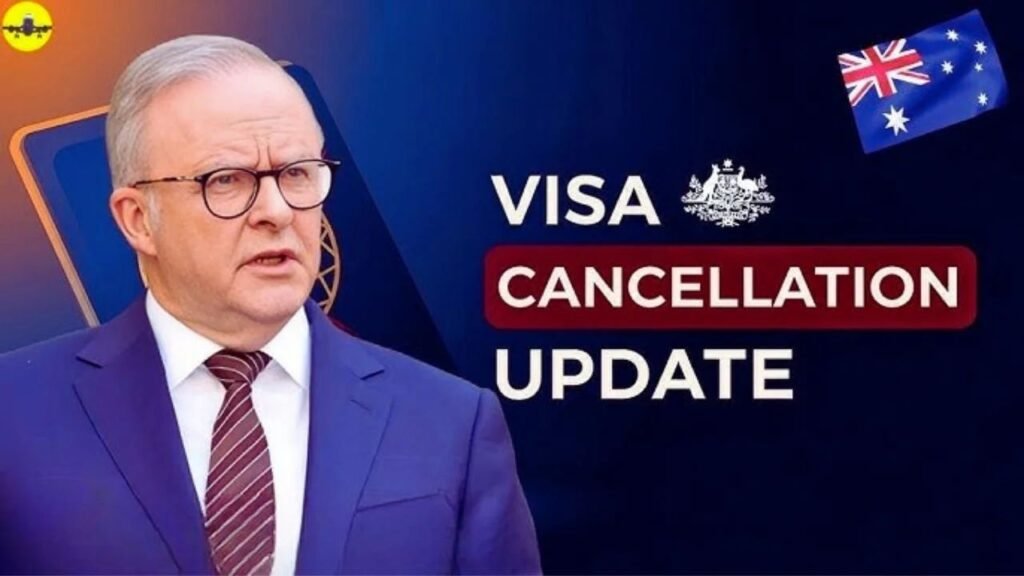
In 2026, Australia’s immigration system is seeing some of its strictest updates in years, particularly for temporary visa holders. While permanent migration remains steady at around 185,000 places, new laws and regulations have tightened the rules for visitors, students, and temporary workers. These changes aim to reduce overstays, curb visa hopping, and strengthen the integrity of the system. Here’s what every applicant and current temporary resident needs to know.
Key Changes to Temporary Visas
The Australian government has made several moves to stop repeated or opportunistic visa applications. Under the Migration Amendment (2026 Measures No. 1) Act and updates from February 2026:
- Visa hopping restrictions: Switching onshore between visitor, student, and temporary work visas has become far more difficult. Repeated onshore applications in a short period can now result in refusals.
- Targeted temporary entry bans: Authorities can temporarily block certain visa holders from entering Australia for up to six months if overseas risks—such as conflict or instability—make overstays likely.
- Stricter student and work requirements: Student visas now demand stronger evidence of “genuine study,” higher English proficiency, and closer monitoring of work conditions. Temporary work visas also face tighter employer and sponsorship checks.
These measures do not affect permanent residents or citizens, but they significantly reshape how temporary entrants navigate the system.
The New Power to Suspend Entry
One of the most impactful updates is the government’s ability to temporarily suspend travel rights for specific temporary visa classes. Effective March 14, 2026:
- Visa holders outside Australia may be blocked even if they already hold a valid visa.
- The suspension targets classes like visitor, student, working holiday, and temporary work visas.
- Exemptions are possible for those who can prove genuine temporary intent.
This targeted approach is designed to manage inflows during uncertain times abroad, prevent overstays, and protect housing and job availability in Australia.
How These Rules Affect Applicants
If you’re on or applying for a temporary visa, expect stricter oversight:
- Onshore switches are limited: You can no longer rely on switching visas inside Australia to extend your stay.
- Repeated visitor applications are riskier: Applications may be refused if multiple attempts occur without strong justification.
- Entry may be paused for overseas risks: Even holding a valid visa does not guarantee immediate entry if your country is flagged under the new temporary suspension rules.
Skilled and student pathways remain open, but hurdles are higher:
- Employer-sponsored visa salary thresholds are increasing from July 2026.
- Student visas carry higher fees, stricter genuine study tests, and more limited course-change options.
- Post-study work visas, like the 485, now cost up to $4,600 from March 2026.
Permanent migration caps remain unchanged, but focus is shifting toward employer-sponsored and regional allocations rather than general skilled independent places.
Other Important Adjustments
Several smaller changes reinforce the system’s integrity:
- Shorter grace periods for overstays, increasing the urgency for timely applications.
- More frequent employer compliance checks for sponsored visa holders.
- Potential updates to skilled points tests from mid-2026, affecting eligibility for certain visa streams.
These measures prioritize migrants with genuine intent and skill needs while reducing pressure on Australia’s housing, jobs, and public services.
Staying Compliant and Prepared
Navigating the 2026 rules requires careful planning:
- Check your visa type: Understand if you are affected by entry suspensions or new switching restrictions.
- Plan applications carefully: Avoid repeated or overlapping onshore applications.
- Maintain documentation: Ensure proof of genuine intent, sponsorship approvals, and course enrolments are up to date.
- Seek professional advice: Consult a registered migration agent for guidance on complex situations.
Being proactive now can prevent delays, refusals, or unexpected travel restrictions later.
FAQs
Can the government block me from entering Australia if I already have a visa?
Yes. For certain temporary visa holders from targeted countries or groups, entry can be paused for up to six months if there’s a risk of overstays.
Is visa hopping completely banned?
Not completely, but onshore switches between visitor, student, and work visas are now heavily restricted. Multiple applications may lead to refusals.
Are student and working holiday visas affected?
Yes. These visas now face stricter checks, higher fees, and limits on course changes or extensions.
Do these rules apply to permanent visa holders or citizens?
No. Permanent residents and Australian citizens are not affected by temporary entry suspensions or onshore switching rules.
Final Thoughts
Australia’s 2026 immigration updates don’t close the door completely, but they make previously easy routes much harder. Temporary visa holders now face stricter entry requirements, tighter switching rules, and new powers for temporary entry suspension. For anyone planning to study, work, or visit, the message is clear: plan carefully, meet eligibility rules, and stay informed. By understanding these updates, you can navigate the system effectively and avoid pitfalls that could delay or block your stay.