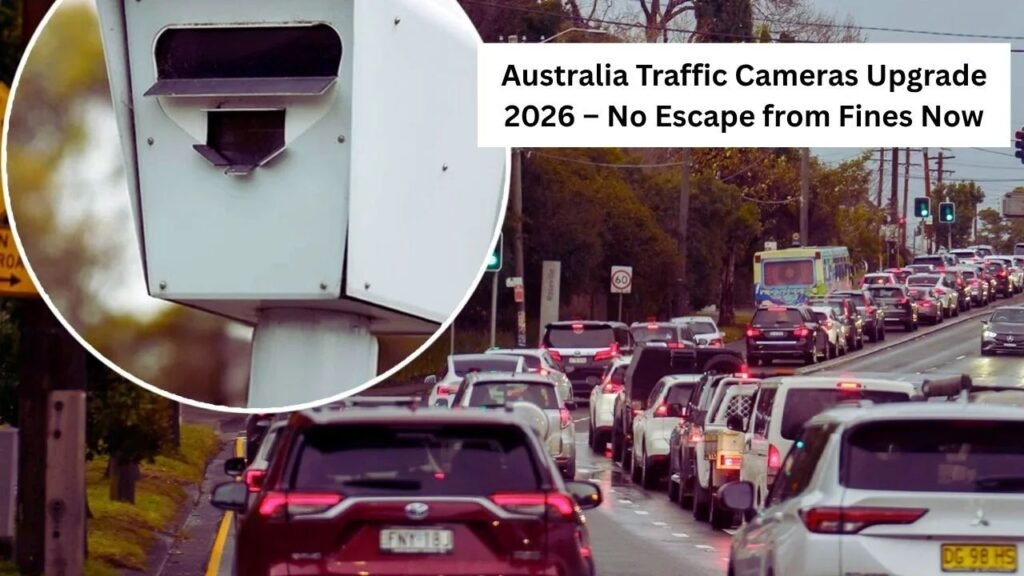
Australian drivers are entering a new era of road enforcement as 2026 brings the most advanced traffic camera rollout in over a decade. The “Smart Camera” upgrade has moved from pilot phases into full operation across multiple states and territories, leaving little room for leniency. Gone are the days when spotting a camera allowed for a last-minute brake—new AI-driven, bi-directional systems make evasion virtually impossible.
The Rise of AI and Bi-Directional Detection
The cornerstone of the 2026 upgrade is the introduction of bi-directional cameras capable of monitoring multiple lanes simultaneously. Previously, mobile detection units could cover only two lanes in one direction. Now, advanced trailer-mounted systems in New South Wales, Western Australia, and Victoria can scan up to six lanes at once, regardless of vehicle direction.
Key capabilities include:
- Handheld device detection: AI software can detect if a driver is holding a phone, even resting in the lap.
- Seatbelt compliance: Cameras verify correct use, ensuring straps sit across the shoulder and hips rather than tucked under arms.
- 24/7 monitoring: High-definition sensors operate effectively in low-light or adverse weather conditions, including rain and fog.
This technology allows authorities to capture infractions with unprecedented accuracy, creating a comprehensive enforcement network across urban and highway routes.
Point-to-Point Cameras Expand into Urban Areas
Traditionally reserved for highways and truck routes, point-to-point average speed cameras are now moving into suburban and residential streets. These systems calculate a vehicle’s average speed between two locations, making it impossible to evade tickets with temporary braking or short bursts of compliance.
In Victoria alone, over 2,200 mobile speed camera locations have been approved in 2026. Many of these use unmanned “enforcement trailers,” armored and GPS-tracked, enabling placement in high-risk zones that were previously inaccessible for police vehicles. The trailers are unmarked, meaning drivers often only learn of an infraction when receiving an official notice or through digital notifications.
Fines and Penalties Reach New Heights
The technology upgrade is paired with a sharp increase in financial penalties. Several states have introduced fines exceeding $1,000 for high-risk offences detected by these new cameras. Examples include:
- Handheld mobile phone use: Four-figure fines plus multiple demerit points.
- Multi-offence detection: A single incident can trigger violations for speeding, phone use, and seatbelt non-compliance simultaneously, potentially leading to instant licence suspension.
- Speeding violations: Average speed enforcement ensures that temporary slowing does not prevent fines for exceeding limits.
With this integrated system, a single drive could result in multiple fines and immediate administrative consequences, signaling a zero-tolerance approach from authorities.
Implications for Everyday Drivers
These upgrades fundamentally change how Australians approach driving. Minor distractions or lapses are no longer overlooked, emphasizing the need for strict compliance:
- Always use hands-free devices or pull over safely for calls.
- Ensure seatbelts are properly fastened for all passengers.
- Obey posted speed limits at all times, including in residential and school zones.
- Stay informed on local camera locations and state-specific enforcement rules through official road authority channels.
Failing to adapt carries not only financial risk but also potential legal and insurance repercussions. Repeat violations can result in licence suspensions or impoundment, reinforcing the seriousness of this technological leap.
The Bigger Picture
Authorities justify the rollout as a life-saving measure. By combining AI, bi-directional hardware, and point-to-point tracking, the government aims to reduce accidents, curb risky behaviour, and lower the national road toll. For motorists, however, the message is unmistakable: in 2026, there is no hiding from the law. Every infraction, no matter how minor, is likely to be detected and penalised.
FAQs
Q1: When did the new traffic cameras start operating?
Full statewide operation began in early 2026, following several years of testing and pilot programs.
Q2: Can these cameras detect handheld phone use at night?
Yes, AI-enabled high-definition sensors work in low-light conditions and adverse weather, including rain and fog.
Q3: Are seatbelt violations still enforced?
Yes, the cameras now monitor correct seatbelt use continuously, ensuring compliance for drivers and passengers.
Q4: How high can fines go with the new system?
High-risk offences, such as handheld phone use or multi-offence detections, can trigger fines exceeding $1,000, plus multiple demerit points.
Q5: Can I avoid a fine by slowing down near cameras?
No. Point-to-point average speed systems calculate your speed between two locations, preventing temporary compliance from avoiding penalties.
The 2026 Australian traffic camera upgrades mark a transformative moment in road safety enforcement. With AI technology, bi-directional detection, and unprecedented coverage, authorities have effectively eliminated loopholes that once allowed drivers to escape penalties. Compliance has never been more crucial—every journey demands full attention, adherence to speed limits, and proper use of safety equipment. In 2026, breaking the rules carries unavoidable consequences.