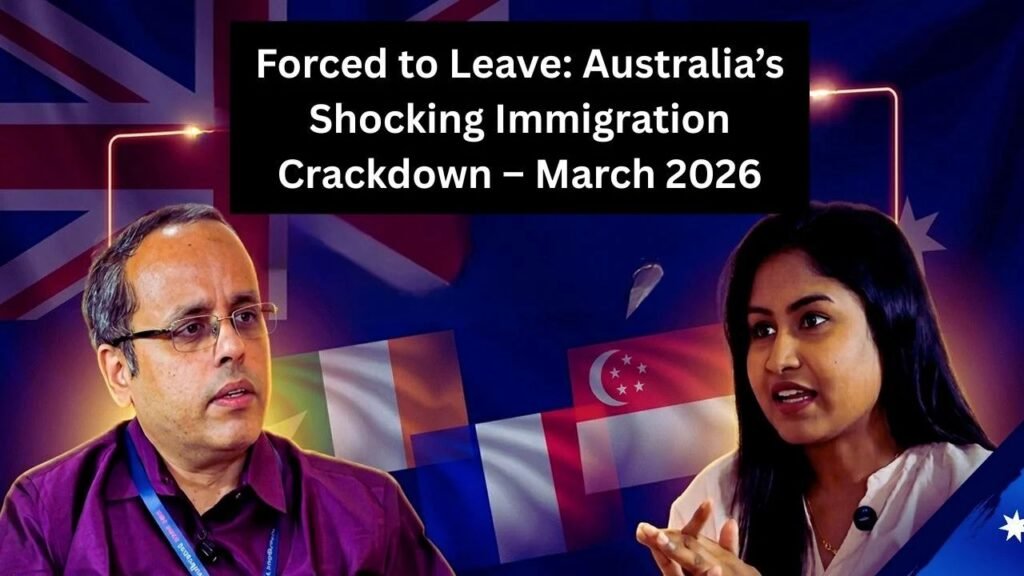
In March 2026, the Australian government introduced sweeping changes to its immigration system, triggering widespread concern among temporary visa holders, international students, and migrant workers. The new laws grant unprecedented powers to the Home Affairs Minister, allowing for rapid suspensions of entry or travel rights for entire groups of temporary visa holders. While officials frame these measures as necessary for border security, critics warn they risk displacing thousands and disrupting lives with limited oversight.
Key Changes in the March 2026 Immigration Laws
The Migration Amendment (2026 Measures No. 1) Act 2026, which received Royal Assent on March 13 and became effective the following day, represents a significant shift in Australia’s immigration enforcement. Central to the reform is the introduction of the “arrival control determination”, giving authorities the power to act collectively rather than on an individual basis.
Arrival Control Determination
- Group-based travel suspensions: The Home Affairs Minister, with support from the Prime Minister and Foreign Affairs Minister, can block temporary visa holders from specific countries or regions from entering Australia.
- Duration and renewals: Suspensions last up to six months and can be renewed if deemed necessary.
- Scope of impact: Applies to multiple visa categories including tourist, student, working holiday, and certain training visas.
- Immediate effect: Travel can be frozen even if a person is already in transit, potentially leading to mandatory detention or expedited deportation upon arrival.
This marks a departure from previous individual visa cancellation processes, allowing authorities to respond quickly to perceived risks, such as potential overstays during periods of global instability.
Other Tightened Measures
The March 2026 reforms also include:
- Training visa (subclass 407) restrictions: Applications are invalid unless both sponsor and nomination are pre-approved, creating stricter sequencing requirements.
- Student visa course transfers: Some international students face bans on changing courses, limiting flexibility for academic progression.
- Anti-visa hopping efforts: Enhanced scrutiny on applicants seeking to switch visas to extend their stay, particularly focusing on genuine study or work intentions.
These measures build on earlier 2026 reforms, such as higher graduate visa fees and increased salary thresholds for skilled migration.
Who Is Most Affected?
Temporary visa holders from conflict-affected or high-risk regions face the highest exposure under the new laws. Key groups include:
- International students: Sudden travel bans or entry refusals may disrupt study plans or course commencement.
- Training visa applicants (subclass 407): Misaligned paperwork can force applicants to leave the country while awaiting approval.
- Short-term visitors and tourists: Individuals from targeted areas could face denied entry without prior warning.
Permanent residents and Australian citizens remain unaffected, but the broader message signals a stricter stance on temporary migration.
The Context Behind the Changes
The government justifies the crackdown as a response to global events, including ongoing Middle East tensions, which may increase the risk of visa overstays. Authorities argue that group-based suspensions allow faster intervention, reducing administrative bottlenecks and maintaining border integrity.
However, critics highlight significant concerns:
- Excessive ministerial power: The Home Affairs Minister can act with minimal checks, potentially affecting innocent individuals.
- Impact on international students: Sudden travel restrictions may disrupt studies and harm Australia’s education sector.
- Limited parliamentary debate: Observers note that the measures were fast-tracked, leaving little room for public consultation or scrutiny.
Immediate Implications for Temporary Visa Holders
For those currently in Australia or planning travel, these changes represent a critical shift in immigration risk:
- Review visa status urgently: Temporary holders should verify their eligibility via the Department of Home Affairs website.
- Seek professional advice: Registered migration agents can provide guidance on compliance and next steps.
- Prepare for contingencies: Sudden travel freezes may require rearranging study, work, or travel plans.
The March 2026 reforms underscore a zero-tolerance approach to visa compliance and border security. Individuals from higher-risk regions, particularly those on temporary or training visas, may find their plans abruptly disrupted.
Looking Ahead
These changes are likely the first of several steps in a broader tightening of Australia’s temporary migration framework. By shifting powers from case-by-case decisions to group-based determinations, the government has signaled a focus on efficiency and risk management—but at the cost of predictability for affected visa holders.
Temporary visa holders, international students, and short-term visitors should monitor announcements closely and remain proactive in maintaining legal status. Compliance, awareness, and prompt action are now more important than ever.
FAQs
Q1: Who can be affected by the March 2026 immigration crackdown?
Temporary visa holders, including students, tourists, working holidaymakers, and certain training visa applicants from targeted regions.
Q2: Can the government freeze travel even if I’m already in transit?
Yes. Suspensions can apply while en route, potentially leading to mandatory detention or return at arrival.
Q3: Are permanent residents and citizens impacted?
No. These measures target temporary visa holders only.
Q4: How long do arrival control determinations last?
Suspensions can last up to six months and may be renewed as needed.
Q5: What should affected individuals do immediately?
Check the Department of Home Affairs website, consult a registered migration agent, and ensure all visa conditions and documentation are current.
The March 2026 immigration crackdown represents a major shift in Australia’s border policy. While framed as necessary for security, the reforms leave thousands of temporary visa holders facing uncertainty and potential forced departure, highlighting the importance of vigilance and compliance in the current migration landscape.